media 180
Units 3 and 5 podcasts

JOB ROLES IN THE ANIMATION SECTOR
Animator
Animators create animation and visual effects for films and video games to television, mobile devices and other forms of media using illustrations and software programs. Animators also create graphics and develop storyboards, drawings, and illustrations. They work with clients and production team members to establish project goals, create storyboards, and design and refine animations. Responsibilities of an animator include collaborating with the client and production team members to understand needs, review scripts, design storyboards, and create and edit animations, using software and other techniques to produce animations, listening to feedback and altering animations to better suit client needs, presenting the final animated piece to clients for their approval and researching industry trends and developments and learning new applications.
Animator writer
Animation writers develop story ideas and present them in the form of scripts. Their scripts are used by storyboard artists and directors to work out the visual art style of a project. Writers either work on an original idea or contribute to an existing project, such as a TV programme or series. They come up with a story, and then an outline of what happens in each scene. Finally, they write the full script, including dialogue and action. This gets pitched to a producer or animation film studio. For ongoing animated TV series, writers can pitch an episode to producers with a view to being commissioned for that particular episode. Writers typically receive on the job training. They may work with a more experienced writer or editor to learn the specific style and format of the company’s writing. They also may learn the software the company uses to create scripts. Writers can also receive training through internships. During an internship, a script writer can learn more about the industry and the specific skills required to work in it and gain experience working with other writers and editors. Responsibilities include writing and rewriting scripts, researching background material, laying out the screenplay to an agreed format, coming up with new ideas and preparing short summaries of your ideas and selling (known as pitching) them to producers or development executives.
Animation producer
Producers have overall responsibility for an animation production. They manage the director and all the other departments to make sure that a project’s delivered on time, within budget and to the best creative brief. Sometimes producers start with an idea for an animation and then they get financial backing from distributors or broadcasters to produce it. This means producers need to be able to predict production costs well and propose a budget. Producers also need to have a good understanding of animation and its creative possibilities. They should allow the animators the freedom to experiment while at the same time as keeping the production on schedule. Animation producers can be employed by animation production companies or studios. Depending on the size of the studio, producers’ work can be different. For instance in larger companies producers may be more focused on management but in smaller companies there is more potential for producers to oversee creative decisions. Some producers freelance and move between companies. Producers are always looking for opportunities to finance their productions. They think of all the ways they can bring in money, including raising finance through merchandise. They usually will go to film, TV or arts festivals to meet people who might be able to fund projects or work as partners. The role of a producer can vary depending on the job or project and the skills or experience of the other producers and executive producers.
PODCASTS
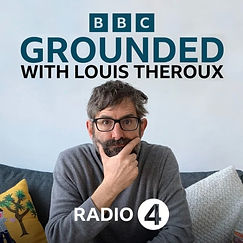
Grounded with Louis Theroux follows an interview format. Louis Theroux has famous guests on his show over the phone as it was filmed during COVID restrictions. Louis begins the podcast with the interview which cuts between a voice over introducing himself, the concept of his podcast (interviewing celebrities over the phone) and the celebrity he is interviewing to the listeners. In the beginning of the podcast there is an upbeat jazz tune playing but when the actual interview begins the music stops, signifying the end of the introduction. He begins the interview with by congratulating most recent news leading the conversation naturally however when Sia goes on tangents Louis Theroux doesn't try to steer the conversation back and instead follows her lead. He is very complimentary to his guest throughout creating a warm environment which I think works really well as it means the person he is interviewing is more happy to give out personal information. I think I could use the voice over for my podcast and also the compliments.
The British History Podcast begins by introducing the podcast, himself and the episode whilst an upbeat jazz track plays in the background. After he has finished introducing the podcast the music fades out and he then outlines what he will be talking about in this episode (when, who, what). He uses lots of inclusive language for example saying 'what WE will be talking about' instead of 'what I will be talking about'. He then begins the podcast by discussing the events that happened in chronological order and making jokes to keep the listeners engaged. I think I could use the idea of outlining before the podcast starts as Jamie Jeffers (the podcast host) begins each episode with a brief outline of the historical events he will discuss in the episode, I could use this for my podcast
The Gemma Collins Podcast begins by introducing herself and the segments of her podcast (i.e. an ask me anything), an upbeat dance track plays in the background and then fades out as she segues into general conversation. She starts by discussing some relatable topics (i.e. how close we are to Christmas, how her Halloween was last week, what she plans to do next week, etc) She talks in a casual tone, speaking to the audience like they are her friends. I really like the idea of separating the podcast into segments and also the way the Gemma speaks to both her audience and her guest, she uses comedy to diffuse the tension and speaks in a casual but confident manner. She is very positive in her podcast even when talking about difficult topics like her own fertility issues she stays in an upbeat jokey tone which helps to keep the audience coming back for more as it gives the podcast a comforting feel which keeps people coming back for more.


SECONDARY RESEARCH
https://www.thepodcasthost.com/planning/how-to-start-a-podcast/
I read this website on how to start a podcast and applied each of the first 4 steps to my own podcast as the other steps focus on making a series and I will only be making one 2-3 minute podcast. The first step is to think about why you are making a podcast. I thought about this and I think my main reason why I am making this podcast is to educate others on to how to get into a certain area of the media

industry. The second step is to think about who the podcast is for. My podcast is aimed for people who are trying to get into the media industry or wondering what working in the industry is like and what certain jobs entail. I think the main age range for my audience would be 12-25 as that's the age people generally start to think about what job they want and consider different job options. The third step is to give people a reason to listen. I feel that by staging my interview as an instruction manual and guide to get into this area of media. The fourth step is naming your podcast. I decided that the name for my podcast would be called The Media Podcast because it's a podcast about media.
https://wiredclip.com/what-makes-a-good-podcast-tips/
This website focused more instead on how to make your podcast better than the average. I looked at this to help me improve my already existent ideas however I only focused on the first two tips as once again it moves into structuring a podcast series after that. The first tip is to think about the podcast idea. They advice you to think about something you are knowledgeable about this made me think about bringing an expert on to the show. I knew that a family friend worked in radio so I emailed her to ask if she would be interested in being interviewed by me for a project and she agreed. So I planned to have the interviewed structured as; introduction, interview, outro. The next step talks about being a good podcast host. The article explains that the key 6 traits to being a good podcaster are, enthusiasm and passion, being a compelling storyteller, having a unique style or tone, having a new perspective or voice regarding topics discussed, authenticity and having consistency of values and vision. I simplified this into the acronym VAPESS to help me remember it.
Values and vision
Authenticity
Perspective
Enthusiasm
Story telling
Style/tone
Being a good host also is about asking insightful questions without getting tongue tied. I decided to write down a list of questions which I edited overtime to continue improving the list. This was the final list:
1. What made you want to go into animation?
2. Can you talk me through your career path?
3. What do you wish you'd known earlier in your career?
4. What is the
5. What
https://www.makeuseof.com/how-to-conduct-great-podcast-interviews/
I decided to read this article as I felt it focused more on what I wanted to achieve from my podcast than the other two websites did and also I wanted advice specific to interviews now that I had decided that was the main segment of my podcast. A key tip from this website I found was preparing a bio for my guest. This is the bio I wrote for mine:
Luke Youngman is a visual effects artist, producer and production manager and animator. He is most famous for his work in advertising working with google and coca cola and his most work on special effects for the new series on netflix 1899 which came out this November.
PODCAST SCRIPT
Intro: Hi welcome to The Media Podcast. I'm your host Florence Nickels and today I will be talking about animation and finding your way into the industry. I will be talking to Luke Youngman who is a special effects and animation producer.
Interview questions:
Can you talk me through your career path?
What made you want to be an animator?
What skills do you think are crucial in animation?
What's your least favourite thing about your job?
What's your favourite thing about your job?
What do you wish you had known before you started in this job role?
Outro: Thanks so much for watching!
GOALS
Short term goals: Get good grades
Medium goals: Go to university
Long term goals: Get a job
REFLECTIVE LOG
Week 1: proposal and research
For the first week we looked at the brief and I created a proposal. The proposal should include the area of media, the genre of podcast we are creating and what podcasts inspired us and a timeline of our production process. I picked the area animation and researched animator, animation writer, and animation producer. I chose the area animation because I really enjoy animated films such as ‘Spirited Away’, ‘Big Hero 6’ and ‘Coraline’ as they all played big roles in my childhood and I still take great comfort in them due to the emotions they create in me so I wanted to learn more inside knowledge about how these films are made. I began my process by researching different podcasts. I started this research process by listening to 3 podcasts in my spare time. I decided to pick 3 genres with very different topics to give me a wider outlook. The podcasts I chose were: Grounded by Louis Theroux, The Gemma Collins Podcast and The British history podcast. I liked all 3 podcasts and took different information from each podcast to use on my own but I decided my favourite structure was an interview structure as used by Gemma Collins and Louis Theroux as I felt that I was much more engaged with these podcasts and even found myself listening to them in my spare time. I found the interview structure helped me see a different side to the topic they were discussing and also gave them more credibility. After realising this I decided I wanted an interview segment in my podcast. I talked to my friends and my family and asked if they knew anyone who worked in animation but unfortunately this was unsuccessful so I decided to go further through networking and ask my mum to ask her friends if they knew anyone in animation and thankfully one of them came forward and said that their brother worked in animation. I then asked my mum’s friend if I could have her brother’s email and I emailed him to ask what dates he would be available to meet and interview him. He gave me the location of his office in London and said anytime would be good for him on weekdays so I suggested Wednesdays because I have no lessons then. He agreed so I booked the podcast equipment to take out on tuesday. In the time waiting for the interview date I did further secondary research on how to structure a good podcast. I also made a weekly planner to help me complete all the tasks in time for the due date.

Week 2: recording and editing
After I took out the podcast equipment I practised with it on tuesday at home after school so I knew how to use the microphone and save the recording. I left the house on wednesday morning and got the train to london and met my interviewee at 11:30am. The interview lasted 17 minutes in total so I had to cut it down in the editing process. I felt
l the interview was very successful however I felt that after the interview when the microphone was off and the conversation flowed better and more naturally, a conversation structure is very common in interview podcasts with the host adding their own information and this process made me see why so I think if I was going to record a podcast again I would use that structure however I started this cutting down process by cutting out the ums and gaps and then after that I cut out unnecessary tangents that I didn't feel went anywhere. By the end of this I cut it down to 10 minutes. Once I had finished editing the interview footage I recorded the intro and outro. I had to record this on my phone as I had already returned the equipment but it still worked out and the footage was good quality so it was ok. I struggled with stumbling over my words when recording this so I kept the script in front of me whilst recording and rehearsed saying it quickly a couple of times before I recorded so it flowed naturally. I also struggled with keeping my tone enthusiastic to help with this. I forced a smile whilst recording and I felt that this helped. I then emailed the footage to myself so I could access it on the school computers and I added it to the previous footage.
Week 3: Goals, CV, and cover letter
I began this week thinking about my short term, long term and medium term goals. I then used a CV template on myfinalisedcv.com to complete my CV and my cover letter. I presented all of this information in a PowerPoint because I thought it was fun to read like that. I also did some final editing of the podcast this week so the intro and outro flowed better. I did this by cutting out the gaps. Then to finalise the unit I filled in the last of my reflective log for this unit and my reflective log for the course in total. I read over it again and edited and then I felt confident with the end product and handed everything in.
Finished podcast:
Job description:


Cv and cover letter
Evaluation
I was asked to create a podcast on jobs in media and I think I met that brief very well as the podcast is informative and relevant to the topic. I really enjoyed the first week of the podcast unit as I already enjoy listening to podcasts so listening to more was definitely not a difficult task and the research was simple enough. I felt however that the recording and editing was the hardest part of the process as I recorded more than I intended as the podcast was only supposed to be 3-5 minutes and I ended up recording 20 minutes with my interviewee, this meant that I had to cut out a lot of the podcast which was difficult because I had to keep the conversation flowing and sounding natural with parts clipped out, I did this by cutting out the pauses, "ummms" and off topic tangents, this cut down my podcast considerably which I was very thankful for. I did not find the CV part difficult at all because I already had to make a CV for my first job in the summer so I just made an updated version of that CV and I feel really confident with how I executed that task. I'd never written a cover letter before but by using a template I very confidently made one that I feel I could use in a real work environment. I am very satisfied with the finished podcast, it's still a little longer than intended but my teacher said that that was fine and I felt at the end that by cutting any more of the time I would loose valuable points so I wanted to prioritise the quality over the quantity.